
FOOD
Regional Variations of Picada: A Taste Journey Through Latin America

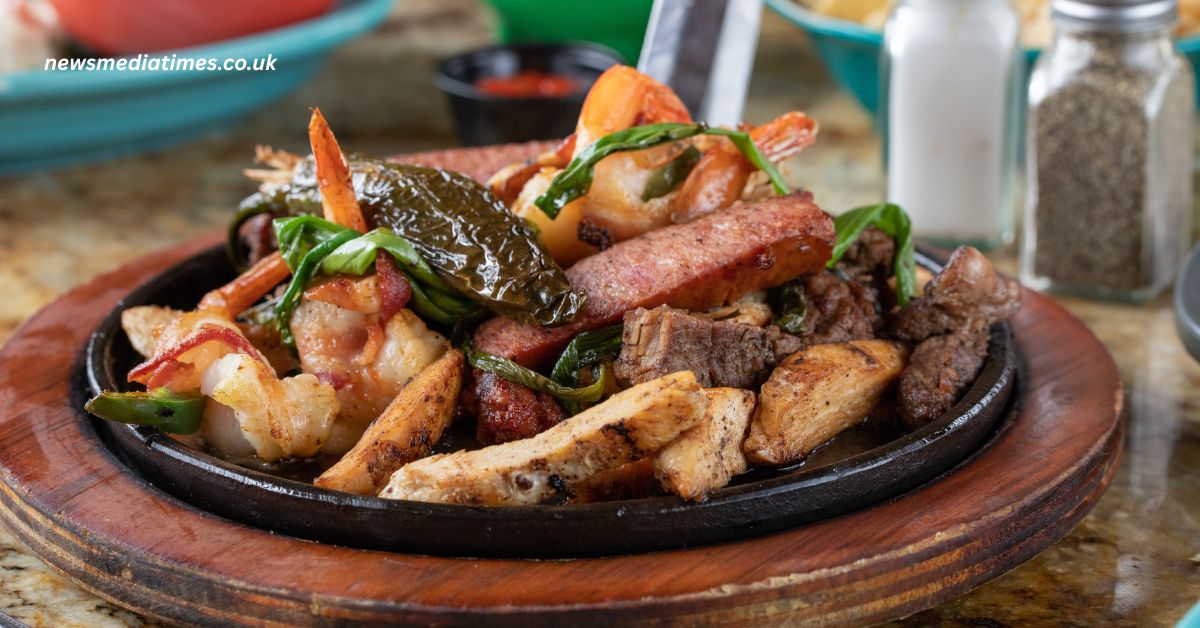
Imagine a vibrant table filled with colorful platters, each brimming with an array of tantalizing bites. This is the essence of picada—a beloved culinary tradition across Latin America that brings friends and family together to savor delicious flavors. From crunchy snacks to savory meats, picada offers something for everyone. It’s more than just food; it’s a celebration of culture, history, and community.
As we embark on this taste journey through Latin America, prepare your palate for regional variations that reflect the heart and soul of each country. Get ready to explore the origins of picada, dive into its popular ingredients, discover must-try dishes from different nations, and learn how to create your own perfect spread right at home!
What is Picada?
Picada is a delightful assortment of small dishes, perfect for sharing and enjoying with friends. Often served as appetizers or snacks, it showcases the rich diversity of flavors found throughout Latin America.
This culinary tradition varies from country to country, adapting local ingredients and tastes. Whether it’s savory meats, fresh cheeses, or vibrant dips, picada invites diners to explore a variety of textures and flavors in one sitting.
Typically enjoyed during gatherings or celebrations, picada creates an atmosphere of camaraderie. Diners gather around the table to sample different items while engaging in lively conversation.
Each bite tells a story—one that speaks to regional cultures and family recipes passed down through generations. The beauty lies not just in its taste but also in the shared experience it fosters among those who partake.
Origins and Cultural Significance of Picada in Latin America
Picada, a delightful assortment of snacks and small dishes, reflects the heart and soul of Latin American culture. Its origins trace back to communal gatherings where sharing food fosters connection among friends and family.
This culinary tradition varies widely by region but maintains its core significance as a symbol of hospitality. Each picada tells a story, revealing local ingredients and flavors that celebrate the diversity within Latin America.
From bustling markets to family kitchens, picadas are integral in social events. They serve not just as meals but also as conversation starters. Whether it’s during festive celebrations or casual get-togethers, these platters embody warmth and togetherness.
In many cultures, picada serves another purpose: honoring traditions passed down through generations. Recipes evolve while preserving the essence of shared experiences around food—an enduring testament to community bonds across borders.
Popular Ingredients Used in Different Regions
In the northern regions of Latin America, you’ll often find fresh seafood taking center stage. In coastal areas, shrimp and octopus are popular choices for picadas, offering a taste of the ocean in every bite.
Moving southward to countries like Argentina, cured meats become essential. Chorizo and salami feature prominently on platters. These savory sausages add depth and richness to the experience.
Vegetables also play an important role across various regions. In Colombia, you’ll encounter plantains fried until golden brown, providing a sweet contrast to salty cheeses and meats.
Cheese lovers will delight in variations found throughout Central America. Creamy queso fresco adds a delightful creaminess that balances out spicy elements beautifully.
Each region celebrates its local bounty through unique ingredients that reflect their culture and traditions. This diversity is what makes exploring picada so exciting!
Types of Picada Across Latin America
Across Latin America, picada takes on many forms, each reflecting local flavors and traditions. In Argentina, a classic picada features an array of cured meats like salami and prosciutto, paired with cheeses and olives. This version often serves as an appetizer during social gatherings.
In Chile, you’ll find a zesty twist with pebre—a condiment made from tomatoes, onions, cilantro, and chili peppers—served alongside fresh bread and cheese. It’s the perfect complement to any gathering.
Peruvian picadas often include seafood ceviche variations along with traditional ingredients such as corn and sweet potatoes. This dish highlights the coastal influence in Peruvian cuisine.
Meanwhile, in Colombia’s Antioquia region, you’ll discover bandeja paisa-inspired picadas loaded with chicharrón (crispy pork belly), beans, avocadoes, and arepas. Each type tells a unique story about its origin through diverse flavors that excite the palate.
Must-Try Picada Dishes from Different Countries
In Argentina, the picada is a beloved gathering dish featuring an assortment of cheeses, cured meats, olives, and bread. It’s perfect for sharing with friends over a glass of Malbec.
Meanwhile, in Chile, you’ll find a unique version called “picoteo.” This often includes marinated seafood alongside traditional ingredients like chorizo and fresh vegetables. The coastal influence shines through beautifully.
Venture to Colombia and experience their take on picada: “bandeja paisa.” Here it transforms into a hearty platter filled with beans, avocado, rice, plantains, and various meats. A true feast!
Peru offers its own flair with “picadas de ceviche,” where fresh fish is marinated in citrus juices paired with crunchy corn nuts. Each bite bursts with flavor.
Each country’s picada tells a story through its distinct blend of flavors and textures that reflect local traditions.
Unique Twists on Traditional Picada Recipes
Picada is a canvas for culinary creativity. While traditional recipes are beloved, there’s room to play with flavors and textures.
Imagine incorporating tropical fruits like mango or papaya. Their sweetness can elevate savory bites, creating an unexpected balance that delights the palate.
Another exciting twist is experimenting with spices. Adding smoked paprika or za’atar brings depth to classic cheese and charcuterie platters, transforming familiar tastes into something extraordinary.
For those who love crunch, try introducing roasted chickpeas or spiced nuts. They provide a satisfying contrast to soft cheeses and cured meats.
Vegetarian options also shine when you include grilled vegetables marinated in herbs and olive oil. This not only boosts flavor but adds vibrant color to your spread.
The beauty of picada lies in its versatility. Mixing tradition with innovation makes each gathering a fresh experience worth savoring.
Tips for Making the Perfect Picada at Home
Creating the perfect picada at home is an art that celebrates variety and flavor. Start by selecting a mix of meats, cheeses, and accompaniments. Think cured sausages, fresh cheeses, and vibrant pickled vegetables.
Presentation is key. Arrange everything on a large wooden board or platter for that rustic touch. Use small bowls to hold dips like chimichurri or guacamole.
Don’t forget about freshness! Incorporate seasonal fruits and herbs to elevate the flavors. A sprinkle of chopped cilantro or parsley can make all the difference.
Experiment with textures too—crunchy crackers paired with creamy spreads create delightful contrasts.
Let your guests customize their plates; this interactive element makes it fun for everyone involved!
Conclusion: Embracing the Diversity of Picada in Latin American Cuisine
Picada stands as a delicious testament to the rich tapestry of Latin American cuisine. Each region brings its own flair, showcasing local flavors and ingredients that tell unique stories. From the spicy chorizos of Argentina to the fresh ceviche in Peru, every picada reflects cultural heritage and community spirit.
The beauty of picada lies in its adaptability. It invites creativity while honoring tradition, allowing chefs and home cooks alike to experiment with various components. Whether you lean towards classic recipes or want to put your spin on them, there’s no wrong way to enjoy this dish.
As you explore different variations across countries, you’ll discover new favorites that resonate with your palate. The journey through these regional interpretations enriches our understanding of Latin America’s culinary landscape.
So grab some friends or family, prepare a colorful spread, and dive into the vibrant world of picada!
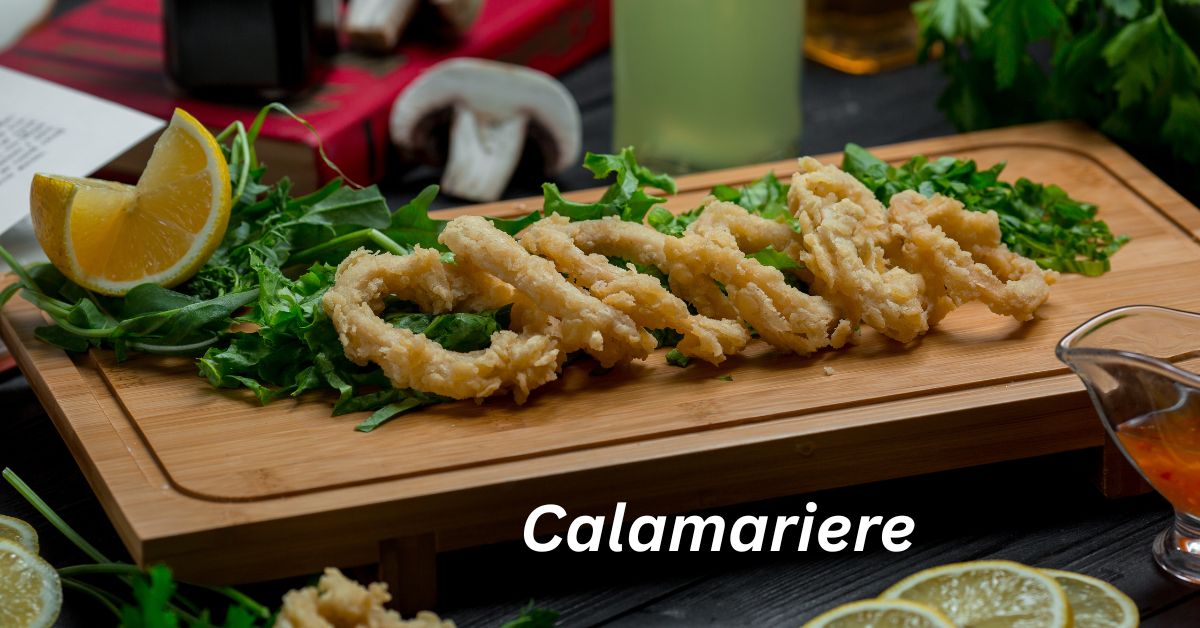
When it comes to seafood delicacies, few dishes evoke the same excitement as calamariere. This artful preparation of squid brings together flavors and textures that excite the palate. Whether you’re dining in a bustling Mediterranean bistro or enjoying a homemade feast, calamariere offers something special for every occasion.
But what exactly is calamariere? It’s more than just fried squid rings on your plate; it’s an experience steeped in history and culinary finesse. From its humble beginnings to its global appeal, this dish has captured hearts and taste buds alike. Join us on a journey through the rich world of calamariere, where we’ll explore everything from types of squid used to tips for achieving perfect tenderness in each bite!
History and Origins of Calamariere
Calamariere is deeply rooted in Mediterranean traditions. Its origins can be traced back to ancient coastal communities that relied on seafood for sustenance. Squid has been a staple ingredient in these regions for centuries, often celebrated during local festivals.
The word “calamari” itself comes from the Italian term for squid. As culinary techniques evolved, so did recipes featuring this versatile mollusk. Each culture added its unique spin, resulting in a rich tapestry of flavors and preparations.
In Italy, calamari became popular as an appetizer or main dish, often fried or grilled with herbs and spices. Meanwhile, Spanish cuisine embraced it through dishes like paella and frituras de pescado.
Today’s calamariere represents not just a dish but also cultural heritage—reflecting diverse cooking methods passed down through generations across various countries bordering the sea.
Types of Squid Used in Calamariere Dishes
When diving into the world of Calamariere, it’s essential to understand the various types of squid that can elevate your dishes. Each variety brings its own unique flavor and texture.
One popular choice is the common calamari, known for its tender meat and mild taste. This type is often found on menus worldwide, making it a favorite among seafood lovers.
Another option is the giant squid. While less common in home kitchens, its firm flesh makes it ideal for grilling or frying. The robust flavor stands out in hearty recipes.
Then there’s the baby squid or “todarodes.” These smaller specimens are prized for their delicate nature and are perfect when stuffed with herbs and spices.
Exploring these different squids allows chefs to create diverse flavors while mastering Calamariere dishes. Each type offers a new opportunity to delight your palate in unexpected ways.
Common Ingredients in Calamariere Recipes
Calamariere recipes showcase a delightful blend of flavors. The star ingredient, of course, is squid. Its tender texture pairs beautifully with various seasonings.
Garlic and olive oil are staples in many preparations. They provide depth and richness to the dish. Fresh herbs like parsley or basil often add brightness and balance.
For those seeking zest, lemon juice or zest enhances the overall experience. It cuts through the natural sweetness of the squid, adding a refreshing note.
A touch of chili flakes can introduce a hint of heat for adventurous palates. This spice complements rather than overwhelms the seafood’s delicate flavor.
Many calamariere dishes feature breadcrumbs for that satisfying crunch when fried or baked.
Don’t overlook accompaniments like marinara sauce or aioli; they elevate each bite with extra layers of taste. The combination creates an unforgettable culinary experience centered around this wonderful cephalopod.
How to Clean and Prepare Squid for Cooking
Cleaning and preparing squid might seem daunting, but it’s quite simple once you get the hang of it. Start by rinsing the squid under cold water to remove any surface debris.
Next, hold the body firmly in one hand and gently pull on the head with your other hand. This action should separate the tentacles from the body. Don’t discard anything just yet; there are delicious possibilities ahead!
Remove the innards by reaching into the body cavity with your fingers. Be sure to extract everything, including the thin quill-like structure found inside.
For a cleaner presentation, peel away any skin or membrane from the exterior of both body and tentacles. Rinse them again thoroughly under running water.
Cut off excess fins or beaks if desired. Your squid is now clean and ready for cooking! Enjoy this versatile ingredient in various dishes like calamariere preparations that showcase its unique flavor.
Popular Calamariere Dishes from Around the World
Calamariere dishes take on many forms globally, each showcasing the versatility of squid. In Italy, calamari fritti reigns supreme. The tender rings are lightly battered and fried to golden perfection, often served with a side of marinara sauce.
Meanwhile, in Greece, you’ll find kalamarakia tiganita. These small squids are seasoned simply and grilled or fried until crispy. They’re typically enjoyed with a squeeze of lemon.
Moving to Asia, Japan’s ika sansai features squid marinated in soy sauce and sake before being grilled over an open flame. This dish highlights umami flavors beautifully.
In Spain, the beloved calamari a la romana offers another twist—thickly sliced squid is coated in flour and deep-fried for that extra crunch. It pairs well with aioli or spicy sauces.
Each culture adds its own flair to these delightful dishes while celebrating the unique taste and texture of squid through calamariere recipes.
Tips for Perfectly Cooked Squid
To achieve perfectly cooked squid, timing is crucial. Squid cooks quickly; overcooking can lead to a rubbery texture. Aim for just one to three minutes of cooking time.
Start with fresh squid, whether it’s rings or whole bodies. Freshness enhances flavor and texture immensely.
Marinating adds depth without overpowering the delicate taste. Simple ingredients like olive oil, garlic, and lemon juice work wonders.
When grilling or frying, ensure your pan is hot before adding the squid. This seals in juices and creates a nice sear.
Don’t crowd the pan! Cooking in batches allows even heat distribution for that perfect golden finish.
Let it rest briefly after cooking. This step helps retain moisture within the meat while enhancing its tenderness. With these tips in hand, you’re well on your way to mastering calamariere dishes that shine!
Pairing Wine with Calamariere
When it comes to pairing wine with calamariere, the choice can elevate your dining experience. The delicate flavors of squid call for wines that complement rather than overpower.
A crisp white wine like Sauvignon Blanc works beautifully. Its zesty acidity cuts through the richness of fried squid, enhancing each bite. If you prefer something bolder, a chilled Vermentino offers fruity notes that harmonize well with grilled preparations.
For those who enjoy red, consider a light Pinot Noir. Its subtle tannins won’t clash with the seafood’s natural sweetness and will add an interesting dimension to your meal.
Don’t forget sparkling wines! A dry Prosecco or Cava adds a refreshing touch that contrasts nicely against any breading or seasoning in calamariere dishes.
Experimenting is key. Each preparation may suggest different pairings; have fun discovering what delights your palate most!
Health Benefits of Eating Squid
Squid, often the star of various calamariere dishes, offers a wealth of health benefits. This seafood is low in calories yet high in protein, making it an excellent choice for those looking to maintain or lose weight without sacrificing nutritional value.
Rich in omega-3 fatty acids, squid contributes to heart health by reducing inflammation and supporting cardiovascular function. These beneficial fats can also enhance brain health and improve mood.
Moreover, squid is packed with essential vitamins and minerals such as vitamin B12, which aids in nerve function and red blood cell formation. It also contains selenium—a powerful antioxidant that protects cells from damage—and copper, important for iron metabolism.
Eating squid may even support healthy skin due to its zinc content, which plays a vital role in skin repair and regeneration.
Incorporating calamariere into your diet not only delights the palate but also nourishes the body with these numerous benefits. So next time you savor a well-prepared dish of squid, remember you’re indulging in something that’s both delicious and nutritious!

Bitni Spirs are more than just vibrant symbols of cultural heritage; they embody stories, traditions, and a deep connection to community. For many, these intricate designs represent the heart of rituals that have been passed down through generations. As we take a closer look at Bitni Spirs, we uncover not only their beauty but also the rich tapestry of history woven into each piece. This exploration transcends mere aesthetics—it’s about understanding the significance behind these captivating artifacts and how they continue to resonate in our modern world. Let’s embark on this enlightening journey together!
History and Origins of Bitni Spirs
The origins of Bitni Spirs trace back centuries, rooted deeply in the cultural fabric of specific regions. This traditional craft emerged as a response to both spiritual and social needs within local communities.
Historically, artisans crafted these unique items using techniques passed down through generations. Each piece tells a story, embodying the values and beliefs of its makers.
In ancient times, Bitni Spirs served not just as decorative objects but also held practical purposes in daily life. They were often used during significant rituals or gatherings, symbolizing unity among participants.
As societies evolved, so did the significance attached to Bitni Spirs. They became markers of identity for various groups, showcasing distinct styles that reflected regional influences and personal artistry.
This rich tapestry of history is what makes Bitni Spirs more than mere artifacts; they are living symbols carrying centuries of tradition within them.
Religious Connections and Symbolism
Bitni Spirs are deeply intertwined with the spiritual fabric of various cultures. Their intricate designs often carry religious meanings, representing concepts like purity, fertility, and protection.
In many traditions, these artifacts serve as offerings during rituals or ceremonies. They symbolize a connection to ancestors and deities, bridging the gap between the earthly realm and the divine.
The colors used in Bitni Spirs also hold significance. For instance, red is often associated with life force,e while blue may signify tranquility and wisdom. Each hue tells a story that resonates within communities.
Furthermore, they are frequently featured in sacred spaces—whether in homes or temples—acting as focal points for meditation and prayer. This practice reinforces their role not just as decorative items but as pivotal elements of faith and devotion within cultural contexts.
Traditional Ceremonies and Celebrations Involving Bitni Spirs
Traditional ceremonies featuring Bitni Spirs are vibrant and deeply rooted in community spirit. These events often occur during harvest festivals, where families gather to honor the land’s bounty.
Dancers dressed in colorful costumes move gracefully as music fills the air. The rhythmic beats create an atmosphere of joy and unity. Participants weave through the crowd, showcasing their skills while celebrating centuries-old traditions.
During these festivities, rituals surrounding Bitni Spirs symbolize renewal and gratitude. Offerings may be made to ancestors or deities, reinforcing a connection to heritage.
Food plays a crucial role, too; tables laden with local delicacies invite everyone to partake. Sharing meals strengthens bonds among participants while highlighting cultural pride.
These celebrations foster intergenerational connections as stories about Bitni Spirs are passed down from elders to youth. The energy is palpable, making each event unforgettable for locals and visitors alike.
Modern Adaptations and Commercialization of Bitni Spirs
In recent years, Bitni Spirs have seen a transformation as they enter the modern marketplace. Cultural artisans are now blending traditional designs with contemporary aesthetics. This fusion attracts a younger audience eager to embrace heritage while expressing personal style.
Online platforms play a significant role in this shift. E-commerce has made Bitni Spirs accessible to individuals worldwide who may not otherwise encounter them. Social media showcases these items in vibrant ways, creating trends that blur cultural lines.
However, commercialization raises questions about authenticity and respect for tradition. While some celebrate these adaptations as evolution, others worry about losing the essence of what Bitni Spirs represent. Balancing innovation with reverence is essential for maintaining their cultural significance amidst changing times.
Controversy Surrounding Bitni Spirs’ Cultural Appropriation
The rise of Bitni Spirs in popular culture has sparked intense debate. Many argue that commercialization dilutes its true meaning and significance.
Cultural appropriation is a central concern. When elements of a tradition are taken out of context, it can lead to misunderstandings and disrespect towards the original culture.
Critics highlight how non-indigenous creators often profit from these traditions without acknowledging their roots. This raises ethical questions about ownership and representation.
Supporters believe that sharing cultural practices fosters understanding. However, they also recognize the need for sensitivity and respect when engaging with traditions like Bitni Spirs.
Navigating this delicate balance remains challenging as more people become interested in learning about diverse cultures while ensuring authenticity is honored. The conversation continues, reflecting broader societal trends regarding cultural exchange versus appropriation.
Importance of Preserving Tradition in a Changing World
Tradition serves as a bridge connecting generations. It carries stories, values, and wisdom from the past into our present lives. As modernity sweeps across cultures, these connections can easily fade.
Preserving traditions like Bitni Spirs is essential for maintaining cultural identity. They remind communities of their roots and foster a sense of belonging. This connection provides stability in an ever-changing world filled with uncertainty.
Moreover, traditions encourage diversity. Each unique practice adds to the rich tapestry of human experience. Celebrating differences helps us appreciate various perspectives.
Incorporating traditional elements into contemporary settings can spark innovation, too. Blending old customs with new trends often leads to exciting forms of expression that resonate deeply within society.
By valuing our heritage today, we ensure that future generations inherit a vibrant cultural landscape filled with meaning and significance. The challenge lies in balancing respect for tradition while embracing progress for tomorrow’s world.
Conclusion
The cultural significance of Bitni Spirs cannot be understated. These traditional artifacts represent more than mere objects; they embody centuries of history, beliefs, and community values. As modern influences creep in and commercialization alters perceptions, it becomes essential to pause and reflect on the roots that connect us to our past.
Maintaining the integrity of traditions like Bitni Spirs ensures that future generations can appreciate their cultural heritage. Awareness surrounding issues such as appropriation reminds us all to approach these customs with respect and understanding.
As we navigate a rapidly changing world, honoring practices tied to identity fosters unity amidst diversity. The journey of Bitni Spirs is ongoing—a bridge between yesterday’s wisdom and tomorrow’s possibilities. Embracing this tradition enriches our lives while celebrating its timeless relevance in contemporary society.
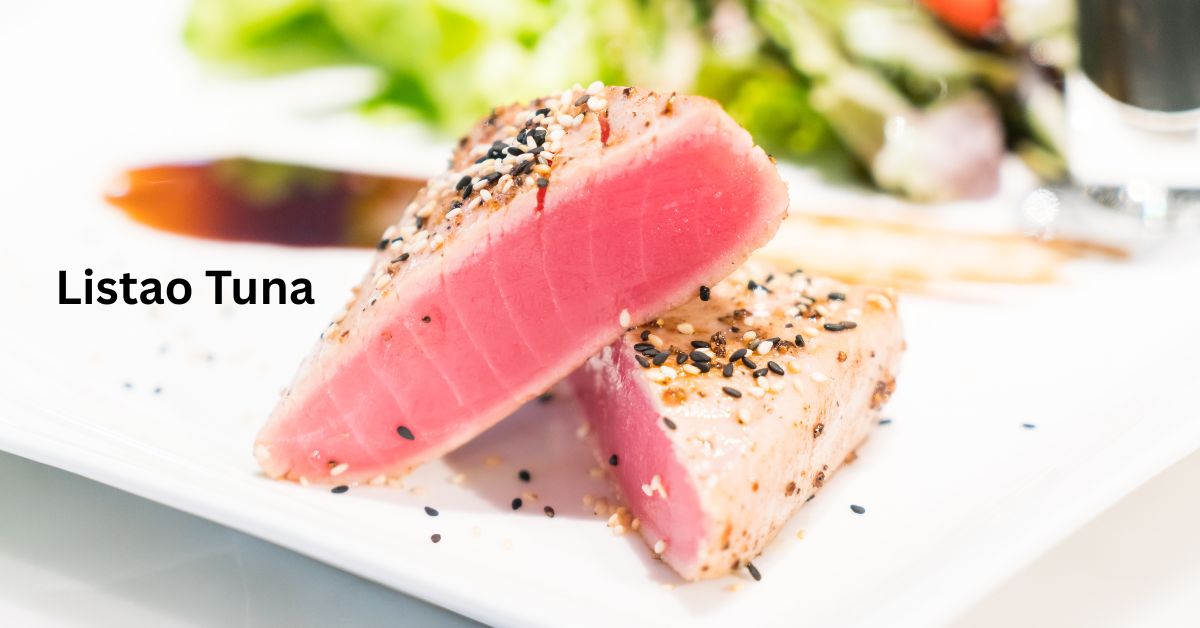
If you’re a seafood lover, there’s a good chance you’ve savored the delightful flavors of tuna. But have you tried Listao Tuna? Also known as skipjack tuna, this versatile fish is not only delicious but also packed with nutrients. Whether grilled on a summer evening or tossed into a refreshing salad, Listao Tuna elevates any meal to new heights.
Its firm texture and rich flavor make it perfect for various cooking methods. Plus, it’s an excellent source of lean protein and omega-3 fatty acids. If you’re looking for ways to incorporate this ocean delight into your culinary repertoire, you’re in the right place! Join us as we explore mouthwatering recipes that will have you hooked on Listao Tuna.
Health Benefits of Listao Tuna
Listao Tuna is not just a culinary delight; it’s also packed with health benefits that make it a great addition to your diet. This fish is an excellent source of high-quality protein, which helps in muscle repair and growth.
Rich in omega-3 fatty acids, Listao Tuna supports heart health by reducing inflammation and lowering cholesterol levels. These essential fats can also boost brain function and improve mood.
Moreover, it’s loaded with vitamins such as B12 and D. Vitamin B12 plays a crucial role in energy production, while vitamin D aids in calcium absorption for strong bones.
Low in calories but high in nutrients, this tuna variety is perfect for weight management. You can enjoy flavorful meals without worrying about excess calories. Eating Listao Tuna gives you taste along with nutritional advantages.
Different Ways to Cook with Listao Tuna
Listao tuna is incredibly versatile, making it a favorite in many kitchens. One of the simplest methods is grilling. Just season your steaks with salt and pepper for that perfect charred flavor.
For those who prefer a lighter touch, searing works wonderfully too. A hot skillet will create a delicious crust while keeping the inside tender and juicy.
If you’re in the mood for something comforting, consider baking Listao tuna with herbs and lemon slices. The flavors meld beautifully as it cooks slowly in the oven.
Raw preparations like sushi or sashimi highlight its freshness. Thinly sliced raw fish pairs perfectly with soy sauce and wasabi for an authentic taste experience.
Don’t overlook using Listao tuna in salads or wraps—its rich texture adds depth to greens or grains without overpowering other ingredients.
Recipes:
When it comes to cooking with Listao Tuna, the possibilities are endless. This versatile fish can elevate any dish and tantalize your taste buds.
First up is Grilled Listao Tuna Steaks with Mango Salsa. The smoky char from the grill pairs perfectly with a fresh mango salsa, adding sweetness and zest to each bite.
Next, try a vibrant Listao Tuna Pasta Salad with Lemon Dill Dressing. Combining al dente pasta, crisp vegetables, and flaky tuna creates a satisfying meal perfect for lunch or dinner.
For those craving something bold, the Spicy Listao Tuna Poke Bowl delivers on flavor. With marinated tuna atop rice and an array of colorful toppings like avocado and seaweed salad, it’s both nutritious and delicious.
These recipes not only highlight the natural flavors of Listao Tuna but also showcase its versatility in various culinary creations. Enjoy exploring these mouthwatering dishes!
A. Grilled Listao Tuna Steaks with Mango Salsa
Grilled Listao tuna steaks are a true delight for seafood lovers. Their firm texture and rich flavor make them perfect for grilling, bringing out that smoky essence everyone craves.
To start, season your tuna steaks with olive oil, salt, and pepper. Let them sit while you prepare the mango salsa. Fresh mango diced into small pieces adds sweetness that pairs beautifully with the savory fish.
Combine the mango with red onion, cilantro, lime juice, and a pinch of jalapeño for just the right kick. The bright colors will tempt anyone at your dinner table.
On a hot grill, cook the tuna steaks for about 3-4 minutes on each side to achieve that perfect medium-rare finish. Top off each steak generously with the vibrant mango salsa before serving.
This dish is not only visually appealing but also bursting with flavors that dance together in every bite.
B. Listao Tuna Pasta Salad with Lemon Dill Dressing
This Listao Tuna pasta salad combines freshness and flavor effortlessly. Start by cooking your favorite pasta until al dente, then let it cool.
Meanwhile, prepare the lemon dill dressing. Whisk together olive oil, freshly squeezed lemon juice, minced garlic, chopped fresh dill, salt, and pepper. This vibrant dressing brightens up the dish perfectly.
In a large bowl, combine the cooled pasta with canned or grilled Listao Tuna for that protein punch. Toss in diced cucumbers, halved cherry tomatoes, and red onion for crunch and color.
Drizzle the zesty dressing over everything and mix gently to coat all ingredients evenly. Let it chill in the fridge for about 30 minutes before serving.
This dish is not just a meal; it’s an experience bursting with flavors that celebrate seafood while remaining light enough for any occasion. Enjoy it on warm days or as a side at gatherings.
C. Spicy Listao Tuna Poke Bowl
The Spicy Listao Tuna Poke Bowl is a delightful explosion of flavors. Fresh Listao tuna, marinated in a zesty combination of soy sauce and sriracha, brings the heat. The vibrant colors from diced avocados, cucumbers, and cherry tomatoes make this dish visually appealing.
Scoop generous portions over a bed of fluffy rice or quinoa for added texture. A sprinkle of sesame seeds enhances both flavor and crunch. You can customize your poke bowl with toppings like seaweed salad or pickled ginger for an extra kick.
Don’t forget to drizzle some creamy avocado dressing on top; it balances the spice beautifully. Each bite offers something new—spicy, savory, and refreshing all at once. The best part? It’s quick to make yet feels gourmet enough for entertaining friends or enjoying a cozy night in!
Tips for Buying and Storing Listao Tuna
When shopping for Listao Tuna, freshness is key. Look for bright, deep red flesh that feels firm to the touch. Avoid any fish with brown spots or a dull appearance.
If you’re buying it from a market, don’t hesitate to ask the fishmonger about its source and when it was caught. Knowing where your tuna comes from can enhance your culinary experience.
Once home, proper storage matters. Keep your Listao Tuna in the coldest part of the refrigerator if you plan to use it within a day or two. Wrapping it tightly in plastic wrap helps retain moisture and prevents odor transfer.
For longer storage, consider freezing it. Use airtight containers or freezer bags to prevent freezer burn while maintaining quality over time. Thawing should be done slowly in the fridge rather than at room temperature for best results.
Sustainability of Listao Tuna Fishing
Sustainability is crucial in today’s fishing practices, and Listao tuna stands out as a responsible choice. These fish are often caught using methods that minimize environmental impact.
Many fisheries adhere to strict regulations aimed at preserving the population of Listao tuna. Techniques such as pole-and-line fishing help reduce bycatch and protect younger fish.
Certifications from organizations like the Marine Stewardship Council provide assurance for consumers looking for sustainable options. By choosing certified seafood, you support eco-friendly practices.
Local communities also benefit when sustainability is prioritized. Responsible fishing can lead to healthier oceans and thriving ecosystems, ensuring future generations enjoy this delicacy.
When purchasing Listao tuna, consider sourcing it from suppliers committed to sustainable fishing methods. This way, your culinary choices contribute positively to our planet while treating your taste buds with exquisite flavors.
Conclusion
Listao tuna is a versatile and delicious option for seafood lovers. Its rich flavor and firm texture make it an excellent choice for various dishes, from grilled steaks to refreshing salads and poke bowls. With numerous health benefits, including high protein content and omega-3 fatty acids, incorporating Listao tuna into your meals can support overall wellness.
When preparing Listao tuna, experiment with different cooking methods that highlight its natural taste. The recipes provided offer a great starting point to explore the culinary possibilities this fish presents. Don’t forget the importance of buying sustainably sourced Listao tuna to help protect our oceans while enjoying this delightful ingredient.
With proper storage tips in mind, you can ensure that your Listao tuna remains fresh and flavorful until you’re ready to cook up something special. So grab some quality Listao tuna today and embark on a tasty journey through these exciting recipes!
-

 TECHNOLOGY4 months ago
Mmsbre Explained: A Comprehensive Guide for Beginners
-

 BLOG4 months ago
Exploring the World of Galoble: A Comprehensive Guide
-

 TECHNOLOGY4 months ago
Understanding RepMold: The Future of Molding Technology
-

 TECHNOLOGY4 months ago
Exploring SovApp: The Ultimate Guide to Your New Favorite App
-

 BLOG3 months ago
Antonimar Mello: The Visionary Behind Contemporary Art Trends
-

 BLOG3 months ago
The Life and Impact of Dorothy Bowles Ford: Unveiling the Legacy
-

 TECHNOLOGY3 months ago
How to Get Started with Dfcbktr: Tips and Resources
-

 TECHNOLOGY4 months ago
The Impact of Dpsit on Modern Technology: Trends and Insights