
TECHNOLOGY
Sodiceram Unveiled: Transforming Spaces with Elegant Ceramic Solutions

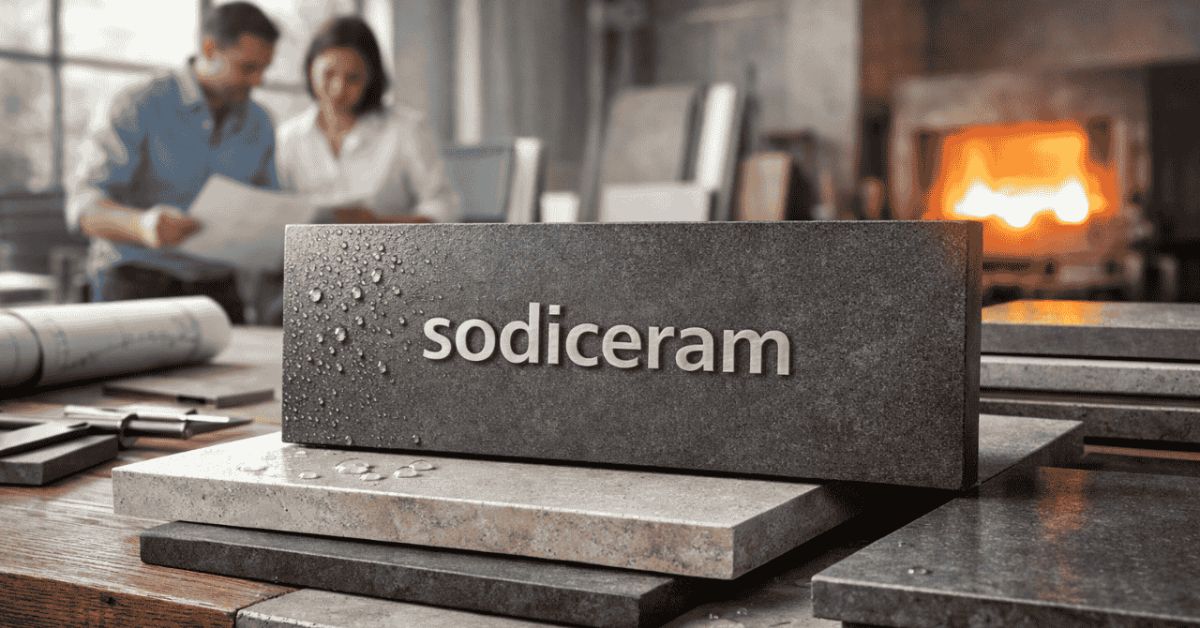
Sodiceram is more than just a name in the ceramic industry; it’s a brand that embodies elegance, innovation, and sustainability. With a mission to transform spaces into stunning showcases of design, Sodiceram has become synonymous with quality and style. Whether you’re revamping your home or designing commercial spaces, their exquisite range of ceramic solutions can elevate any environment. Discover how this dynamic company weaves creativity into every tile and surface they produce, making beautiful interiors accessible for everyone. Join us on a journey through Sodiceram’s rich history, diverse offerings, and commitment to eco-friendly practices. Your next home transformation could start here!
History of the company and its evolution in the ceramic industry
Sodiceram began its journey in the early 2000s, founded by a group of passionate artisans dedicated to redefining ceramic craftsmanship. Their vision focused on blending traditional techniques with modern design.
As demand grew, Sodiceram embraced innovation, expanding its product line while maintaining high-quality standards. The introduction of cutting-edge technology allowed for intricate designs and superior durability.
Through partnerships with renowned designers, Sodiceram established itself as a trendsetter in the industry. Each collection tells a unique story that resonates with customers seeking both aesthetics and functionality.
Over the years, they have adapted to changing market needs. This agility has solidified their position within competitive landscapes while attracting a diverse clientele eager for stylish solutions. Today, Sodiceram stands not just as a brand but as an icon of elegance in ceramic artistry.
Product offerings and design options for different spaces
Sodiceram offers a diverse range of ceramic solutions that cater to various architectural styles and personal tastes. From sleek modern designs to rustic finishes, their product line is truly versatile.
Explore stunning tiles perfect for kitchens, bathrooms, and living areas. Each tile showcases unique patterns and textures that can elevate any space. Choose from bold colors or subtle hues to create the desired ambiance.
For outdoor spaces, Sodiceram provides durable options designed to withstand the elements while maintaining aesthetic appeal. These ceramics not only enhance patios but also transform garden pathways into artistic journeys.
Moreover, custom design services are available for those looking for something extra special. Clients can collaborate with experienced designers to bring their visions to life seamlessly within their environments. This flexibility allows every space transformed by Sodiceram’s products to reflect individual style and functionality perfectly.
Advantages of using ceramic solutions from Sodiceram
Choosing ceramic solutions from Sodiceram brings a host of benefits that elevate any space. First, the durability of their products ensures they withstand the test of time, making them ideal for high-traffic areas.
Sodiceram’s ceramics are also low-maintenance. A simple wipe can keep surfaces looking pristine without the need for harsh chemicals. This ease of care is perfect for busy households or commercial settings.
The aesthetic appeal cannot be overlooked either. With a variety of designs and finishes available, there’s something to match every decor style. Whether you prefer contemporary or classic looks, Sodiceram has options that resonate with personal tastes.
Moreover, these ceramic solutions offer excellent thermal stability and sound insulation properties. They help create comfortable environments while contributing positively to energy efficiency in buildings.
Safety features like slip resistance make Sodiceram products an intelligent choice where safety is paramount, ensuring peace of mind in every step taken on their surfaces.
Case studies and success stories of clients who have used Sodiceram products
Sodiceram has transformed countless spaces, each with its unique story. One standout project involved a boutique hotel that sought to combine luxury and functionality. By incorporating Sodiceram tiles in their lobby and guest rooms, they achieved an elegant aesthetic while ensuring durability.
Another remarkable case was a family home renovation where the owners desired a modern kitchen vibe. They chose vibrant ceramic backsplashes from Sodiceram, elevating their culinary space into a work of art. The result? A perfect blend of style and practicality, loved by both the homeowners and guests.
In commercial settings, retailers have experienced increased foot traffic after redesigning interiors with Sodiceram’s sophisticated tile options. Their products not only enhance visual appeal but also create inviting atmospheres that encourage customer engagement.
Each success story illustrates how Sodiceram’s commitment to quality can redefine environments across various sectors.
Sustainability efforts and eco-friendly practices at Sodiceram
Sodiceram is committed to sustainability, weaving eco-friendly practices into every aspect of its operations. The company focuses on sourcing materials that minimize environmental impact. This includes using natural clays and sustainable resources.
Innovative production methods are at the forefront of their strategy. By employing energy-efficient technologies, Sodiceram reduces waste and lowers carbon emissions during manufacturing processes. Their commitment extends to water conservation, utilizing systems that recycle water used in production.
Packaging also reflects their dedication to the environment. Recyclable materials are prioritized, ensuring minimal waste reaches landfills.
In addition to product development, Sodiceram actively engages in community programs aimed at promoting environmental awareness. They collaborate with local organizations to educate consumers on the importance of sustainable living and responsible consumption habits.
This holistic approach not only benefits nature but also enhances the aesthetic appeal of spaces created with Sodiceram’s products.Plans and innovations in the works for Sodiceram
Sodiceram is poised for an exciting future. The company is constantly exploring new designs that blend artistry with functionality. Upcoming collections will showcase innovative patterns and textures, ensuring each tile tells a story.
Emerging technologies also play a crucial role in their vision. Advanced production methods are being adopted to enhance durability while reducing waste. This means more stunning options for customers without compromising on quality.
Furthermore, Sodiceram aims to expand its eco-friendly product line. By integrating sustainable materials into their offerings, they’re setting new standards for the industry.
Collaboration with renowned designers is another key focus area. These partnerships promise fresh perspectives and unique creations that cater to diverse tastes and preferences.
With these ambitious plans, Sodiceram continues to lead the way in ceramic solutions, transforming spaces across various settings like never before.
Conclusion:
Sodiceram stands out in the ceramic industry for its commitment to quality and innovation. With a rich history that reflects growth and adaptability, the company has evolved while keeping pace with design trends and customer needs. Their diverse product range caters to various spaces, making it easy for clients to find elegant solutions tailored specifically for their projects.
Using Sodiceram’s ceramic products comes with numerous advantages. The durability of ceramics ensures longevity, while the aesthetic appeal adds value to any environment. From residential homes to commercial establishments, Sodiceram’s designs enhance both functionality and style.
Success stories from satisfied customers highlight how Sodiceram transforms spaces into works of art. Case studies showcase remarkable transformations that inspire new ideas for potential buyers looking to make an impactful change in their own environments.
The company’s dedication doesn’t stop at aesthetics; they are equally committed to sustainability. By implementing eco-friendly practices throughout production processes, Sodiceram prioritizes environmental responsibility without compromising quality or design.
Looking ahead, there are exciting innovations on the horizon for Sodiceram as they explore new technologies and materials that will redefine modern living spaces even further.
Sodiceram is more than just a name in ceramics; it’s a visionary brand dedicated to transforming everyday environments into extraordinary experiences through elegance and sustainable practices.

Welcome to the world of Puzutask com, where productivity meets innovation. In a fast-paced environment filled with distractions and endless tasks, finding ways to boost your efficiency is more important than ever. That’s where Puzutask com comes in—a dynamic platform designed not just to help you manage your workload but to transform how you approach productivity altogether.
Imagine having all your tasks organized, prioritized, and at your fingertips. Picture yourself eliminating procrastination and achieving goals faster than you thought possible. With Puzutask com, this vision becomes a reality. Join us as we explore the science behind productivity and discover how this powerful tool can unlock your potential like never before!
The Science of Productivity: Understanding the Importance of Being Productive
Productivity isn’t just a buzzword; it’s backed by science. At its core, productivity is about maximizing output with minimal input. This balance can lead to more efficient work processes and better results.
Research shows that productive individuals often experience less stress. When tasks are completed efficiently, there’s a sense of accomplishment that boosts morale and motivation. A structured approach can help in managing time effectively.
Understanding your peak performance hours plays a crucial role too. For some, early mornings may yield the best focus, while others might thrive later in the day.
Moreover, embracing tools designed for productivity allows people to streamline their efforts. Utilizing technology helps eliminate distractions and keeps you on track towards your goals.
Fostering an environment conducive to productivity can significantly enhance both personal satisfaction and professional success.
How Puzutask com Can Help You Unlock Your Productivity Potential
Puzutask com is designed to transform the way you manage your tasks. With its intuitive interface, you can easily prioritize what matters most. This means less time wasted and more focus on achieving your goals.
The platform offers customizable features that cater to individual needs. Whether you’re a student juggling assignments or a professional managing projects, Puzutask adapts seamlessly to fit your workflow.
By breaking down larger tasks into manageable steps, it encourages consistent progress. You’ll find yourself motivated as each completed task brings you closer to your end goal.
Additionally, Puzutask promotes accountability through sharing options with colleagues or friends. Collaborating becomes effortless, making teamwork more effective and enjoyable.
Harnessing analytics tools allows users to track their productivity patterns over time. Understanding these trends helps identify areas for improvement and fosters growth in efficiency.
Top Features of Puzutask com and How They Work
Puzutask com boasts a user-friendly interface that simplifies task management. Organize your to-do list effortlessly with its drag-and-drop functionality. You can easily prioritize tasks and adjust deadlines in real-time.
Collaboration is seamless within the platform. Invite team members to join projects, assign tasks, and share files instantly. This feature enhances communication and keeps everyone aligned on goals.
Time tracking tools are another standout aspect of Puzutask com. Users can monitor how long they spend on each task, helping identify areas for improvement and efficiency gains.
The built-in analytics dashboard provides insights into productivity patterns. Analyze completed tasks versus time spent to find your peak performance hours.
Customization options allow users to tailor their experience according to personal preferences or specific team needs. Set reminders that fit your schedule for optimal workflow management.
Success Stories: Real People’s Experiences with Puzutask com
Many users have transformed their lives with Puzutask com. Take Sarah, for instance. Juggling a full-time job and her side hustle felt overwhelming until she discovered the platform. With its intuitive layout, she was able to prioritize tasks effortlessly.
Then there’s Tom, who struggled with procrastination. He found motivation through Puzutask com’s goal-setting features. The satisfaction of checking off completed tasks reignited his passion for productivity.
Emily shared how the collaboration tools on Puzutask com enhanced her team’s workflow. Communication improved, leading to quicker project completions and a more cohesive work environment.
These stories highlight how diverse individuals leverage this tool uniquely to meet their needs and achieve personal goals while enjoying newfound efficiency in daily routines.
Tips for Maximizing Productivity with Puzutask com
To maximize your productivity with Puzutask com, start by setting clear and achievable goals. Break larger tasks into smaller steps to make them more manageable.
Utilize the platform’s time tracking feature. This allows you to identify where your time goes and helps improve focus on high-priority activities.
Take advantage of customizable reminders for deadlines or important tasks. These notifications can keep you accountable and prevent last-minute rushes.
Engage in regular reviews of your completed tasks. Reflecting on what worked well and what didn’t can lead to better strategies moving forward.
Don’t hesitate to explore collaboration tools available within Puzutask com. Sharing responsibilities with teammates fosters teamwork and streamlines projects effectively.
Integrate breaks into your work routine using the Pomodoro technique, enhancing concentration while preventing burnout throughout the day.
Conclusion
Puzutask com stands out as a remarkable tool designed to help individuals and teams unlock their full productivity potential. By understanding the science behind productivity, you can appreciate the importance of using such platforms effectively. The features offered by Puzutask com provide not just organization but also motivation, allowing users to streamline their tasks seamlessly.
Real success stories underline how people have transformed their routines and achieved more with less stress through this platform. By following specific tips for maximizing productivity with Puzutask com, users can elevate their performance even further.
Embracing Puzutask com means stepping into a world where efficiency meets creativity. It’s not just about getting things done; it’s about doing them well while maintaining balance in life. As you explore what this platform has to offer, you might find that your own approach to work and personal projects transforms in ways you never expected.

Data visualization is evolving at a remarkable pace, and one of the most exciting developments on the horizon is XVIF, or eXtended Virtual Information Framework. As we create more data than ever before, finding effective ways to visualize this information becomes crucial. Traditional methods often struggle to convey complex datasets clearly and intuitively.
Enter XVIF—a revolutionary approach that redefines how we interact with data. Imagine having the ability to immerse yourself in dynamic visualizations that not only enhance understanding but also facilitate better decision-making. With XVIF, businesses can unlock new insights from their data like never before.
Let’s dive into what makes XVIF such a game-changer in the world of data visualization and explore its potential impact across various industries!
The Evolution of Data Visualization
Data visualization has come a long way since its inception. Initially, it was all about simple charts and graphs. These basic forms helped convey information but often lacked depth.
As technology advanced, so did the complexity of visualizations. The introduction of computers allowed for more intricate designs and interactive elements. Infographics became popular, merging art with data to tell compelling stories.
With the rise of big data, traditional methods struggled to keep pace. Enter dynamic visuals that adapt in real-time to changing datasets. This shift transformed static images into engaging experiences.
Today’s tools enable users to manipulate data visually, making insights accessible even for non-experts. As we embrace new technologies like XVIF, the future promises even richer ways to interpret information through immersive visual narratives.
How XVIF is Changing the Game
XVIF is revolutionizing the way we interact with data. Unlike traditional visualization tools, XVIF integrates immersive technologies that make complex datasets accessible and engaging.
Users can explore information in a three-dimensional space, allowing for deeper insights and a more intuitive understanding. This spatial approach encourages collaboration among teams as they navigate data together.
The framework supports real-time updates, meaning decisions are based on the most current information available. No longer do businesses have to rely on static reports that quickly become outdated.
Moreover, XVIF bridges the gap between technical experts and non-technical users. Its user-friendly interface empowers everyone to visualize insights without needing extensive training.
As organizations adopt XVIF, they find themselves making faster decisions backed by clear visual narratives. The potential for creativity in presenting data has never been greater, enabling innovative storytelling across all sectors.
Key Features and Capabilities of XVIF
XVIF offers a range of standout features that redefine how data is visualized. Its ability to integrate multiple data sources seamlessly allows users to create comprehensive views of their information landscape.
Interactivity is a core strength. Users can manipulate visual elements in real time, enabling deeper insights and immediate feedback on changes made. This dynamic capability empowers businesses to make informed decisions based on live data.
The framework also supports advanced analytics tools, such as machine learning algorithms. These tools help uncover hidden patterns within complex datasets, making it easier for organizations to identify trends and anomalies.
Scalability is another key feature; XVIF adapts effortlessly regardless of the size or complexity of the dataset. This ensures that companies can grow without compromising performance or usability.
XVIF’s user-friendly interface stands out. Even those with minimal technical skills can navigate and use its powerful capabilities effectively, democratizing access to sophisticated data visualization techniques.
Real-World Applications of XVIF
XVIF is making waves across various industries, transforming how data is consumed and interpreted. In healthcare, for instance, it allows professionals to visualize patient data in real time. This leads to quicker diagnoses and better treatment decisions.
In finance, analysts use XVIF to portray complex market trends through interactive dashboards. Such visualizations simplify the decision-making process for investors and stakeholders alike.
Retail businesses are leveraging XVIF to enhance customer experiences by analyzing consumer behavior patterns. Shoppers can interact with personalized offers based on their preferences.
Moreover, educational institutions are adopting XVIF to create immersive learning environments. Students engage with data in ways that deepen understanding and retention.
Urban planners utilize XVIF for city modeling projects. They can visualize infrastructure changes and predict future development needs effectively.
Implementing XVIF in Your Business
Implementing XVIF in your business can transform how you visualize data. Start by assessing your current data landscape and identifying key pain points.
Next, invest in training for your team to ensure they understand the framework’s capabilities. This knowledge will empower them to harness XVIF effectively.
Integrate XVIF with existing systems for seamless functionality. The goal is to create a fluid transition that enhances user experience without disruption.
Utilize its real-time analytics features to make informed decisions quickly. By leveraging this capability, businesses can respond better to market changes and customer needs.
Encourage collaboration among departments using XVIF’s interactive visualization tools. When teams share insights visually, creativity often flourishes, leading to innovative solutions.
Continuously evaluate the impact of XVIF on your operations and adapt as necessary. Flexibility is critical in maximizing the benefits of this powerful tool.
Future Possibilities and Impact on Industries
As XVIF continues to evolve, its potential impact on various industries is both exciting and profound. Imagine healthcare professionals utilizing immersive data visualizations to track patient outcomes in real time. This could lead to more informed decisions and improved care quality.
In finance, analysts might leverage XVIF for enhanced risk assessment. By visualizing complex datasets interactively, they can spot trends that traditional methods overlook.
The manufacturing sector may also benefit significantly. With XVIF, production processes could become transparent through dynamic dashboards that reveal inefficiencies or bottlenecks instantly.
Education stands to gain as well. Interactive learning experiences driven by XVIF can engage students like never before. They’ll not only consume information but actively explore it in a three-dimensional landscape.
Such transformations are just the tip of the iceberg, hinting at an era where data becomes not just informative but truly interactive and accessible across all sectors.
Conclusion
The rise of XVIF marks a significant shift in how we approach data visualization. As businesses and industries grapple with increasingly complex data sets, the demand for intuitive and informative visual tools is more urgent than ever.
XVIF offers an innovative framework that enhances understanding through immersive and interactive experiences. With its capabilities to transform raw data into engaging narratives, it creates pathways for deeper insights.
Looking ahead, the potential applications of XVIF stretch across various sectors—from healthcare to finance, education to entertainment. By implementing this advanced tool, organizations can not only streamline their operations but also foster stronger connections between stakeholders.
As adoption increases, we may witness a transformation in decision-making processes supported by clearer visuals and enhanced comprehension. The future paves the way for further advancements in technology; XVIF stands at the forefront of this evolution.
Embracing such innovations could redefine our engagement with information entirely. The journey towards maximizing our understanding through better visualization has just begun—powered by XVIF’s promise and performance.

Are you curious about Yljcathf? This intriguing practice has gained traction among those seeking balance and self-discovery. Whether you’re a newcomer or just looking to expand your knowledge, this comprehensive guide will help illuminate the path of Yljcathf for you.
Imagine tapping into a world where ancient traditions meet modern insights. Yljcathf offers that unique blend, promising both personal growth and community connection. As we dive deeper into its origins, principles, and benefits, you’ll soon see why so many are drawn to this captivating practice.
The Origins and History of Yljcathf
Yljcathf has roots that trace back several centuries. Its origins are shrouded in mystery, with various cultures contributing to its development. Ancient texts hint at a practice that was revered for its transformative powers.
Historically, Yljcathf emerged as a fusion of diverse philosophies and techniques. It blended elements from spiritual traditions and holistic healing methods. This blend created an approach that resonates deeply with many practitioners today.
As it evolved, Yljcathf spread across regions, adapting to local customs while retaining core principles. The teachings were often passed down orally before being documented in manuscripts.
In modern times, the resurgence of interest in mindfulness and alternative practices has brought Yljcathf into the spotlight once more. Today, people seek out this unique discipline for personal growth and well-being.
Understanding the Core Principles of Yljcathf
At the heart of Yljcathf lies a unique blend of mindfulness, balance, and harmony. Practitioners focus on cultivating inner awareness while connecting with their surroundings. This foundational principle encourages individuals to embrace both their strengths and vulnerabilities.
Yljcathf promotes the idea that energy flows through all living things. By harnessing this energy, practitioners can enhance their physical and mental well-being. This connection fosters a deeper appreciation for life’s rhythm.
Another core aspect is community engagement. Collaboration with others enhances personal growth while creating supportive networks. The shared experiences within these communities enrich one’s journey in Yljcathf.
Moreover, adaptability is key in this practice. Everyone’s path may differ based on individual experiences and insights. This flexibility allows for personalized approaches to learning and growth in Yljcathf.
Benefits of Practicing Yljcathf
Practicing Yljcathf offers a wide array of benefits that can enhance both mental and physical well-being. Many find it to be a powerful tool for stress relief. Engaging in its core practices helps individuals unwind, creating a peaceful mindset.
Yljcathf also promotes mindfulness. This heightened awareness encourages practitioners to live in the moment, fostering emotional stability and clarity.
Physical health sees improvements too. Regular practice can increase flexibility and strength while promoting better posture. Participants often report feeling more energized throughout their day.
Furthermore, community plays an essential role in Yljcathf. Joining groups fosters connections with others who share similar interests, enhancing social interactions and support networks.
Exploring personal growth is another rewarding aspect of Yljcathf. It challenges individuals to push beyond their limits, cultivating resilience and confidence over time.
How to Get Started with Yljcathf
Getting started with Yljcathf doesn’t have to be overwhelming. Begin by familiarizing yourself with its foundational principles. Read introductory materials or join online forums where enthusiasts share their experiences.
Next, consider setting aside dedicated time each week for practice. Consistency is key in developing your skills and understanding the nuances of Yljcathf.
You might also want to connect with a mentor or local group. Engaging with others can enhance your learning experience and provide valuable insights that books alone cannot offer.
Don’t forget to keep a journal of your progress. Documenting your journey allows you to track improvements and reflect on what techniques resonate most with you.
Stay open-minded and patient. Mastery takes time, so enjoy the process as much as the outcome while exploring this fascinating discipline.
Common Misconceptions about Yljcathf
Many people have misconceptions about Yljcathf, assuming it’s just another trend. In reality, it’s a practice deeply rooted in philosophy and tradition.
Some believe that Yljcathf is only for the spiritually inclined. However, anyone can engage with its principles regardless of their background or beliefs.
Another misconception is that Yljcathf requires extensive training or special skills. The truth is, beginners can start practicing right away with basic techniques.
Others think it offers quick fixes to life’s problems. While Yljcathf promotes well-being, real change takes time and commitment.
Some fear it might conflict with other practices or religions. Yljcathf encourages exploration and personal growth without imposing restrictions on individual beliefs.
Understanding these myths allows newcomers to approach Yljcathf open-mindedly and fully embrace its potential benefits.
Advanced Techniques and Practices in Yljcathf
Advanced practitioners of Yljcathf often explore techniques that deepen their understanding and enhance their experience. One such technique is visualization, where individuals create mental images to manifest intentions or desired outcomes. This practice taps into the power of imagination.
Another method includes breath control, which plays a crucial role in maintaining focus and energy flow. By mastering different breathing patterns, one can elevate both physical and mental states during sessions.
Incorporating meditation enhances mindfulness within Yljcathf. Practitioners may use guided meditations tailored specifically for this discipline to foster deeper connections with themselves.
Additionally, group practices provide unique insights as sharing experiences among peers enriches personal journeys. Engaging in community activities creates a supportive environment while honing advanced skills together.
Exploring these techniques opens doors to new dimensions within Yljcathf, inviting continual growth and discovery on your path.
Conclusion: Why You Should Give Yljcathf a Try
Yljcathf offers a unique approach that combines tradition and modernity. For those seeking balance, energy, and a deeper understanding of themselves, this practice presents an opportunity worth exploring. The core principles resonate with many who have experienced the transformative benefits firsthand.
Getting started is easier than it may seem. With accessible resources and communities eager to support newcomers, you can embark on your Yljcathf journey at your own pace. Don’t let misconceptions hold you back—this practice welcomes all individuals regardless of their backgrounds or experiences.
As you delve into advanced techniques over time, you’ll find even more layers to uncover within Yljcathf. It’s not just about techniques; it’s about connection—to yourself and others around you.
Embracing Yljcathf could lead to personal growth in ways you’ve yet to imagine. If you’re ready for a fresh perspective and meaningful change in your life, consider giving Yljcathf a try—you might just discover something extraordinary waiting for you.
-

 TECHNOLOGY4 months ago
Mmsbre Explained: A Comprehensive Guide for Beginners
-

 BLOG4 months ago
Exploring the World of Galoble: A Comprehensive Guide
-

 TECHNOLOGY4 months ago
Understanding RepMold: The Future of Molding Technology
-

 TECHNOLOGY4 months ago
Exploring SovApp: The Ultimate Guide to Your New Favorite App
-

 BLOG3 months ago
Antonimar Mello: The Visionary Behind Contemporary Art Trends
-

 BLOG3 months ago
The Life and Impact of Dorothy Bowles Ford: Unveiling the Legacy
-

 TECHNOLOGY3 months ago
How to Get Started with Dfcbktr: Tips and Resources
-

 TECHNOLOGY4 months ago
The Impact of Dpsit on Modern Technology: Trends and Insights